
About Our Production
The development of Strange Animals follows a different philosophy than a traditional studio production. Everyone working on the film volunteers in their free time alongside work, school, and everyday life. This creates a collaborative community where we prioritize making the best film we can over arbitrary deadlines. The process is built around learning, experimentation, and artistic exploration rather than rigid production frameworks.
Strange Animals is a pure passion project. A film about humans, created by humans. Given our production philosophy, life comes first for all creators. The film is a creative outlet, emphasizing the joy of making art and telling stories. For everyone involved, we believe making the film should be just as rewarding and fun as finishing it. We’re excited to show you what we have and how we’re doing it.
From Scripts to Drawings
The first challenge is creating a visual from words on a page. Initially, we developed animatics straight from the scripts. This process was done for three of the short films: “Basket Cat,” “Static” and “You’re a Good Species.” This meant we had to mix camera angles, poses, expressions, motion, and timing all at once. It wasn’t until late into “Basket Cat” that we decided to create and utilize a storyboard format to choreograph a fight scene before attempting to put it into motion. That proved to work really well.


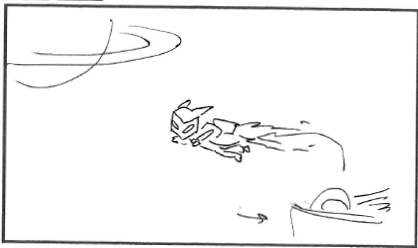
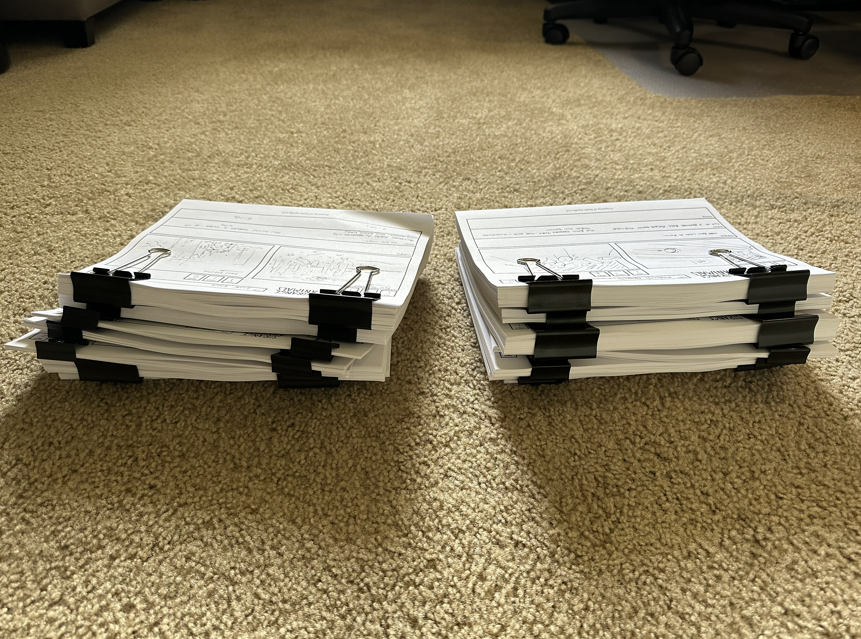
Just like that, we adapted our production to include storyboarding. The storyboarding process kicks off with our storyboard artist carefully reading scripts and making hundreds of directing decisions as it is translated into little boxes. Along with dialogue, actions, and timing notes, the short begins to take form in a physical format—which is pretty cool. Despite decimating local ink supplies, having mountains of paper drawings helps to visualize the flow of the film. Moreover, it’s an extremely helpful segway into animatics.
Production Status:
Storyboards
4 of 7 complete (“Static” and “You’re a Good Species” excluded)
2 in progress
1 not started
For story specific statuses, please click the button below:
Who We’re Looking For:
No specific contributors are needed for this stage of production at this time.
To be a part of the film, please click the button below:
Voice Acting
Alongside finalizing scripts and working on storyboards, we assigned a casting director and began building out audition packets for major characters. One great thing about voice acting is that a relatively small group of actors can voice a large cast of characters. We initially started grabbing random friends and had them record voice work, but you start to realize who isn’t an actor. You also realize you need an actual recording booth. Therefore, many lines recorded by friends or those working on the project have solidified into temporary dialogue. It’s a good starting point, and their acting greatly helps bring the project closer to life. This is where we realized we needed to have a dedicated casting call.
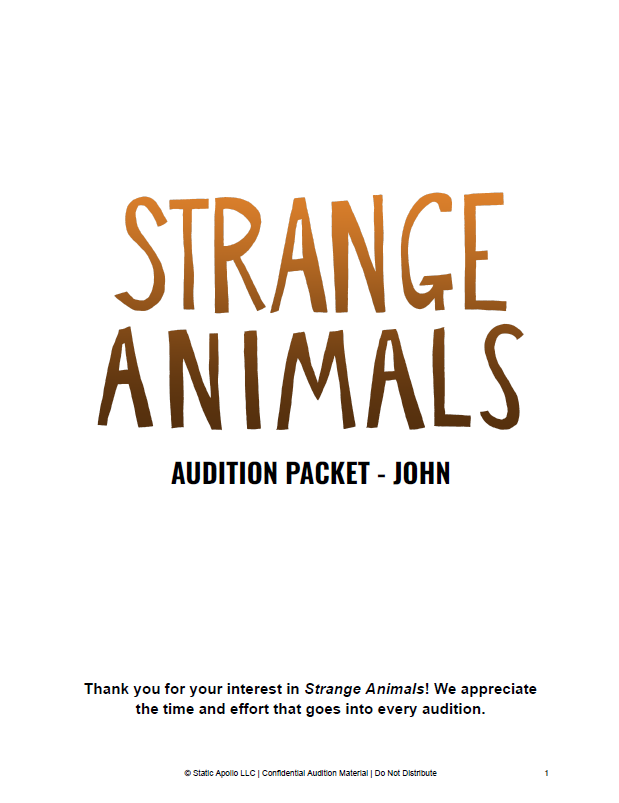
For casting, we stripped scripts to find lines that really defined a character’s range and or philosophy and formatted them into packets for auditions (audition sides). The casting director would then review each packet and make any notes. We’ve had to adjust or fully replace a few lines. The goal is to capture an authentic role, where a potential actor isn’t trying to give us a performance they think we want. That being said, we moved some of the heavier lines to callbacks rather than using them in the first audition. This way, we can narrow our pool to actors who understand the character, then we can start testing more of the harder lines.
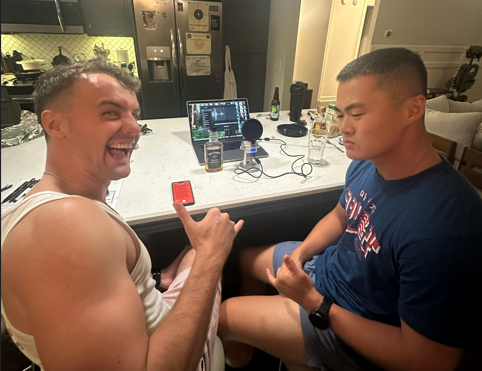
Once we cast, actors in the local area will be scheduled for recording. Another nice thing about voice acting is actors do not necessarily have to be in our area. While its preferred, if they have a good set-up to record crisp audio, they can essentially “mail-in” their performance. There will be nuances—we are expected that—but it widens the pool for auditions. Once lines are recorded, they will be cut up for animatics.
A final note that may interest people: because Strange Animals is independently made, we can’t necessarily mix union and non-union actors. Or at least we need to ensure a union actor is legally able to participate in the project. We’ve seen situations where an independent film is effectively killed because SAG-AFTRA actors were acting alongside non-union actors. We’re trying to avoid that.
Production Status:
Voice Acting
3 of 9 contain temporary dialogue
Final dialogue: currently casting
Casting
15 of 15 audition packets complete
1 actor(s) cast, pending casting
Casting status: open
For story specific statuses, please click the button below:
Who We’re Looking For:
Actors
Sound engineers
Sound mixers
To be a part of the film, please click a button below:
Animatics
We produce animatics in Toon Boom Harmony. While some productions like to scan in their storyboards for animatics, we like to use our storyboards as a reference. We know how everything is supposed to look now; the big task is timing. Often times, the animatic only contains key positions or poses for characters, but in movement heavy segments, more drawings are created to lock in motion. The finished animatic essentially becomes the rough draft for the final animation.

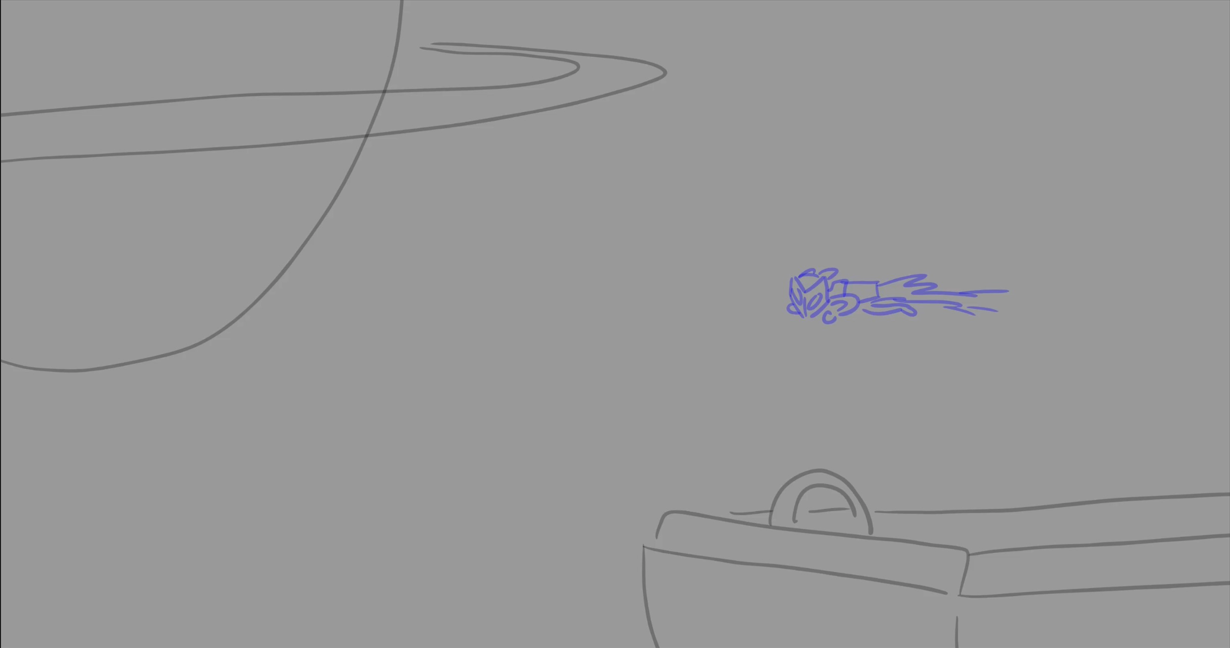
One unique aspect for our animatic production, is the use of actual voice acting rather than temporary audio. We just prefer it. While temporary dialogue is recorded and utilized in “Basket Cat” and “You Are a Good Species,” line deliveries can shift depending on actors. For timing's sake, it’s nice to have the actual dialogue so we’re not having to readjust timing. That means as casting is underway, animatics produced are for scenes that have little to no dialogue.
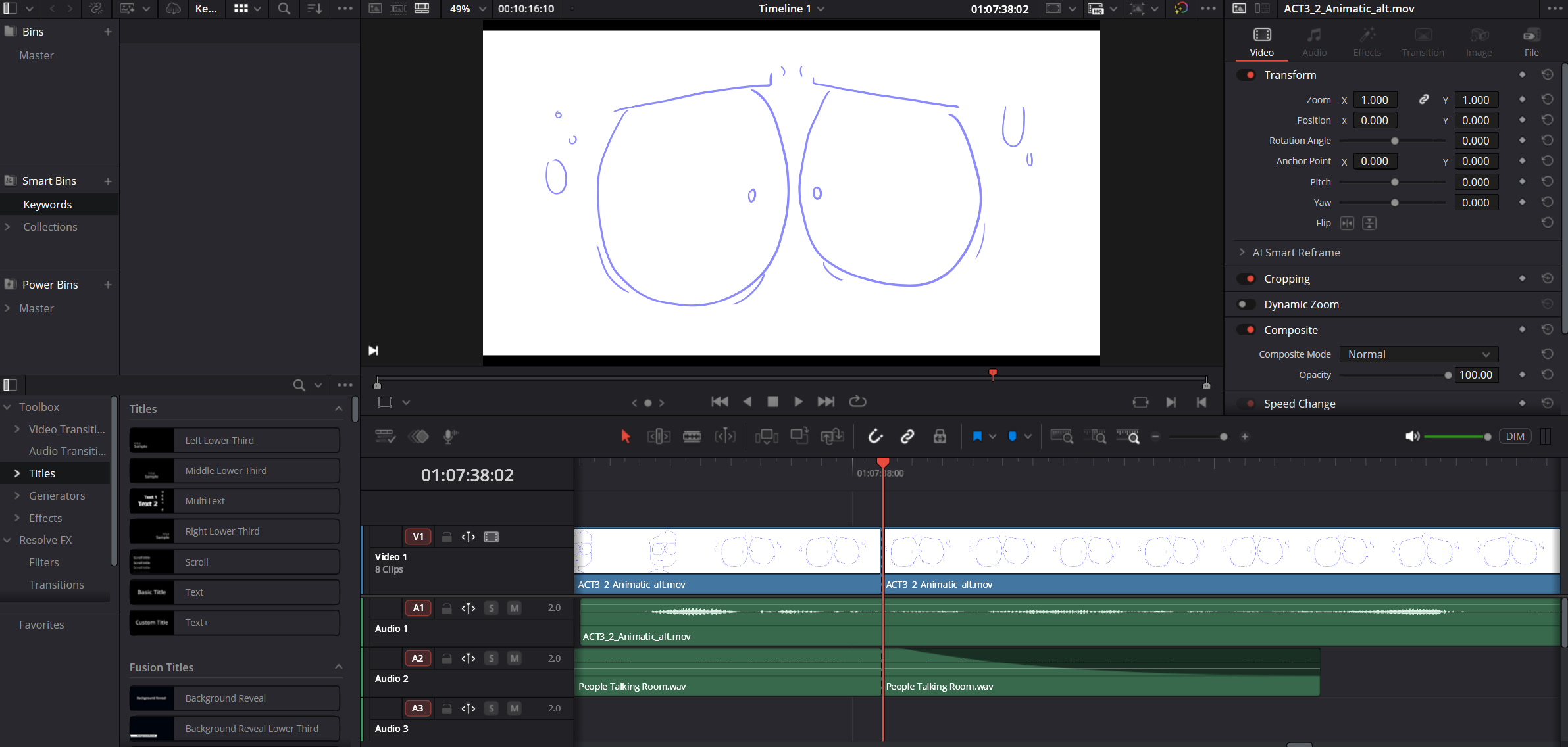
When an animatic is completed in Toon Boom Harmony, it is exported into Davinci Resolve Studio where audio, sound effects, and temporary music tracks are added. This also helps to identify oddly timed sequences—to which we return to Toon Boom and readjust. We don’t focus on visual effects here. This is just a rough cut of how everything is supposed to look and feel.
Production Status:
Animatics
3 of 9 complete
For story specific statuses, please click the button below:
Who We’re Looking For:
Animation background artists (for animatics)
Editors
To be a part of the film, please click the button below:
Before Animation
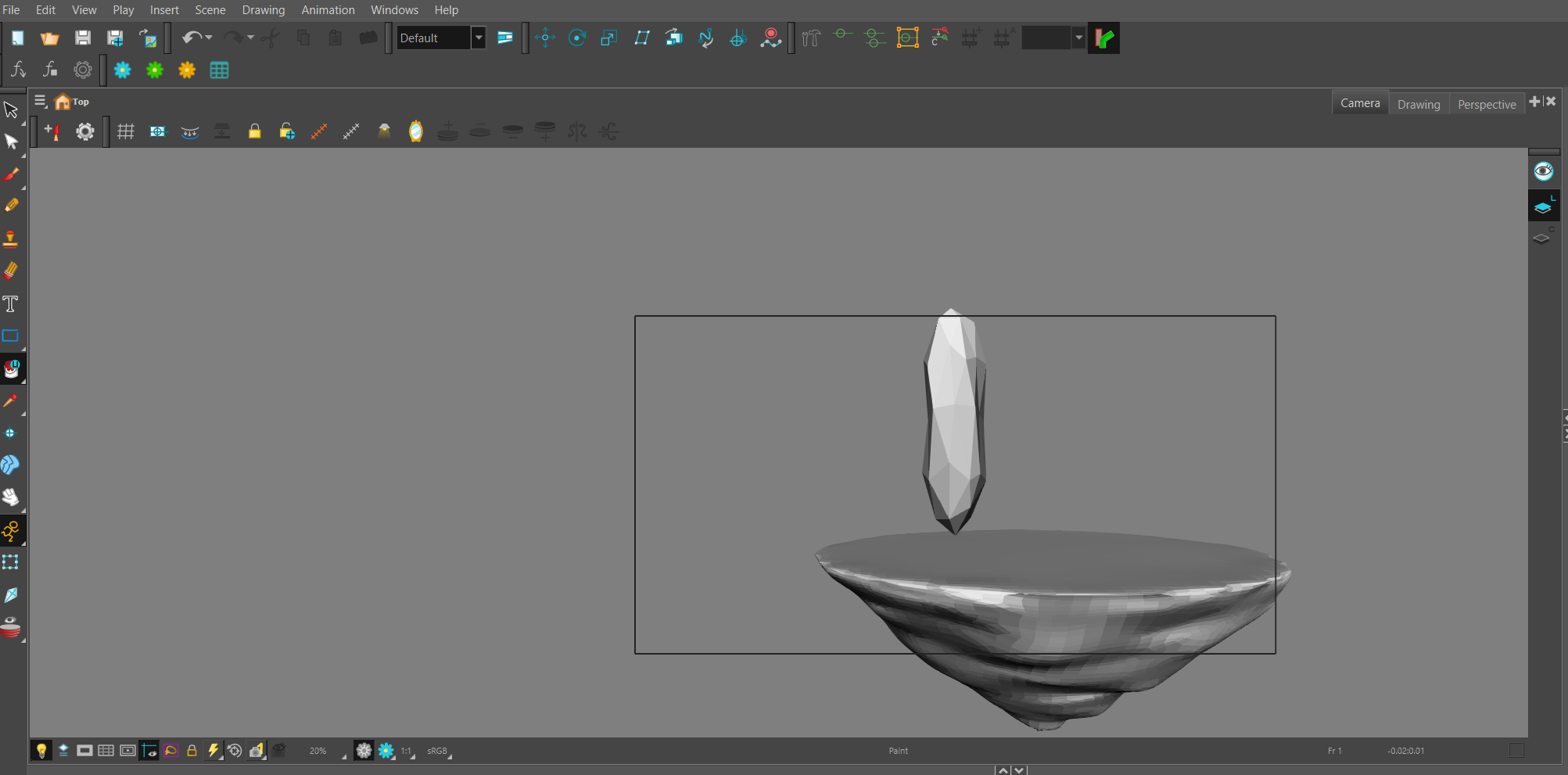
While we can start animation as soon as we have an animatic, there are a few things we want prior. Many of our short films require 3D modelling. This way, we can draw 2D characters interacting with 3D assets. Whether it’s a moving environment or a detailed object requiring motion, it helps the animator simply move camera angles or assets as opposed to painstakingly drawing complex angles. Based on the animatic, we can decide which scenes require 3D integration and funnel concept designs to the 3D modeler. Now, we can either import the 3D model into Toon Boom or export the rendered 3D scene and layer 2D animation on top.
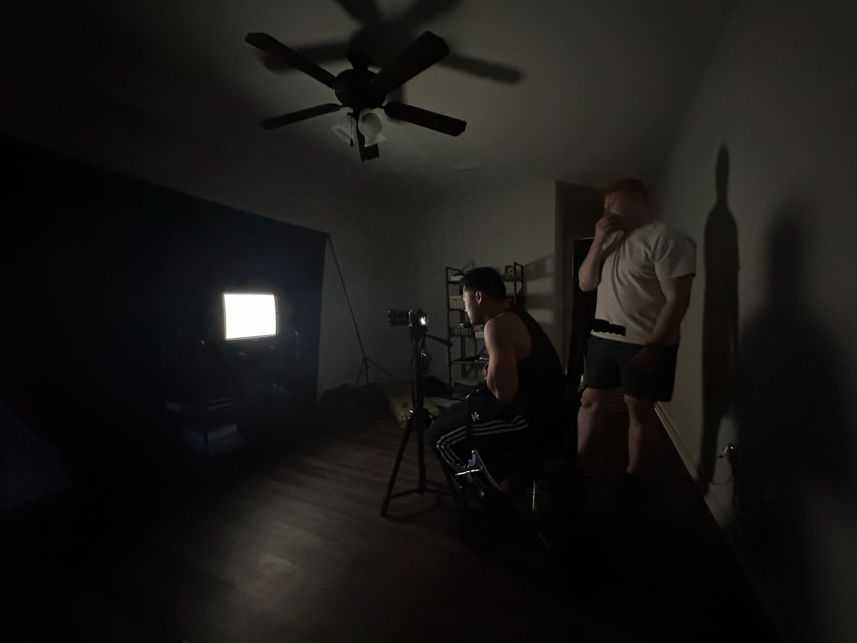
At least one of our short films is hybrid, meaning it mixes real video with animation. So, we actually want to film before animating so we know exactly where characters need to be and how they will interact with the environment. Hybrid animation was a unique experiment we wanted to try, and “Static” was the perfect short to test it. Now, we aren’t compositing the lighting in Toon Boom Harmony and Davinci Resolve, we’re physically creating it. This is more along the lines of your typical live-action filmmaking. Among setting up the environment, we used a real person to actually sit and interact with the scene. This helps communicate to the animator where light is hitting on a person, so we can recreate that in animation. More complex shorts require rigging of the environment to make sure the character feels organic, but for “Static,” we used rotoscoping.
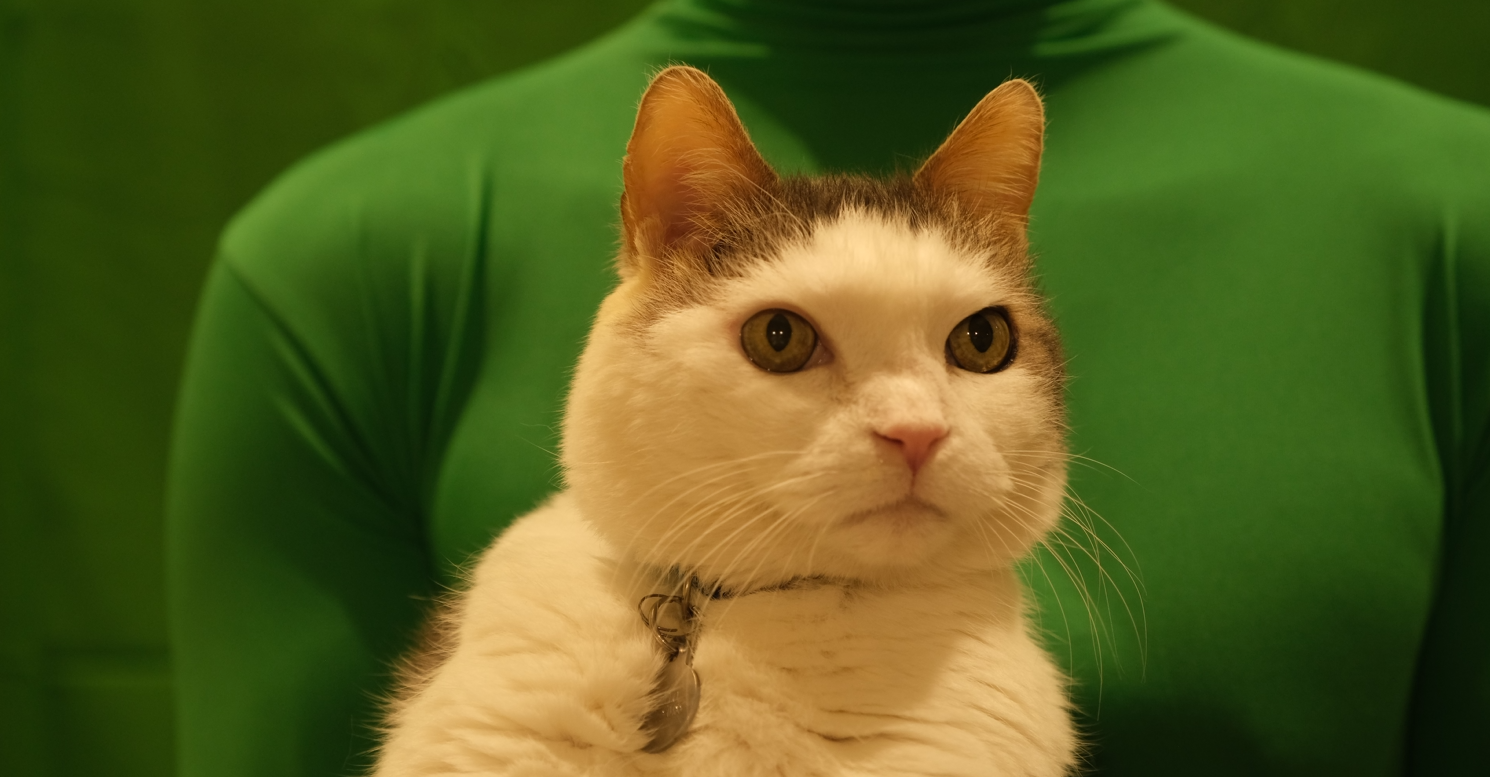
Another real footage experiment was the use of a green screen. This is specifically for “Basket Cat,” where the basket is stop-motion animation of a real basket. But we filmed a real cat too for good measure. We are able to remove the green screen in Davinci Resolve and then export just the object in question. This is nice because now we can import it right into the animatic.
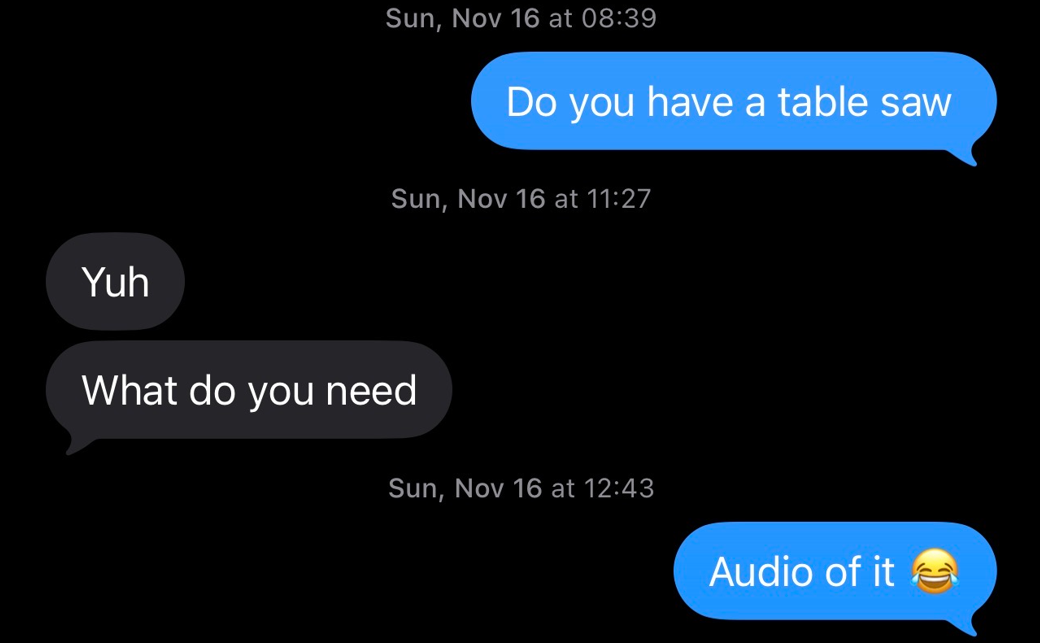
Because animatics essentially land the timing and visuals, they’re good references for scoring music and identifying needed sound effects. So once an animatic is done, we can match it to a composer to start cutting a score for the short rather than waiting on finished animation. The sound effect identification is helpful too because not everything is in a sound library. This is what leads us to recording a table saw in a garage on a Sunday afternoon.
Production Status:
3D Models
Models are still in conceptual design phase
Currently assessing which shorts will require 3D integration
Filming
1 of 3 completed
1 in progress
1 not started, pending animatic and film crew assignment
Music
3 of 9 contain temporary tracks
Score: pending composer assignment
Sound Effects
3 of 9 contain temporary sound effects
Sound effects libraries identified
Sound effect creation pending animatics
For story specific statuses, please click the button below:
Who We’re Looking For:
3D modelers
3D animators
Photographers/Videographers
Gaffers
Riggers
Music composers / bands
Foley artists
To be a part of the film, please click the button below:
Animation
Here’s where the real fun begins. Like the animatics, the animation is produced in Toon Boom Harmony. Generally, we like to have the animatic first, then draw the line work on top of it. After line work is complete, we synthesize our color palette and begin filling in every drawing. Once everything is colored, we can import finalized background art. The final step is compositing where we identify where light is and add highlights and shading. Additionally, this is the step where we can add various effects such as blurs.
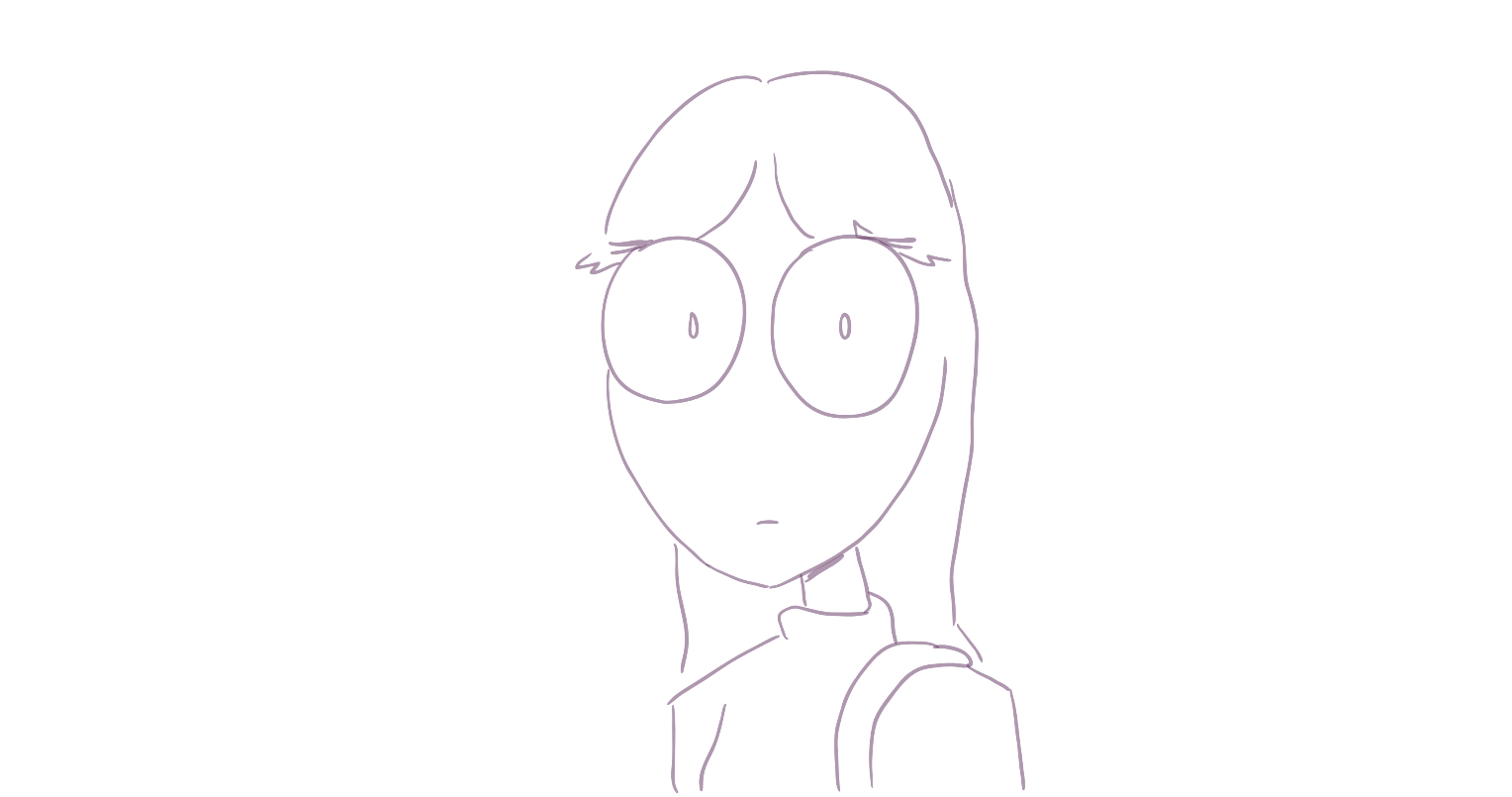
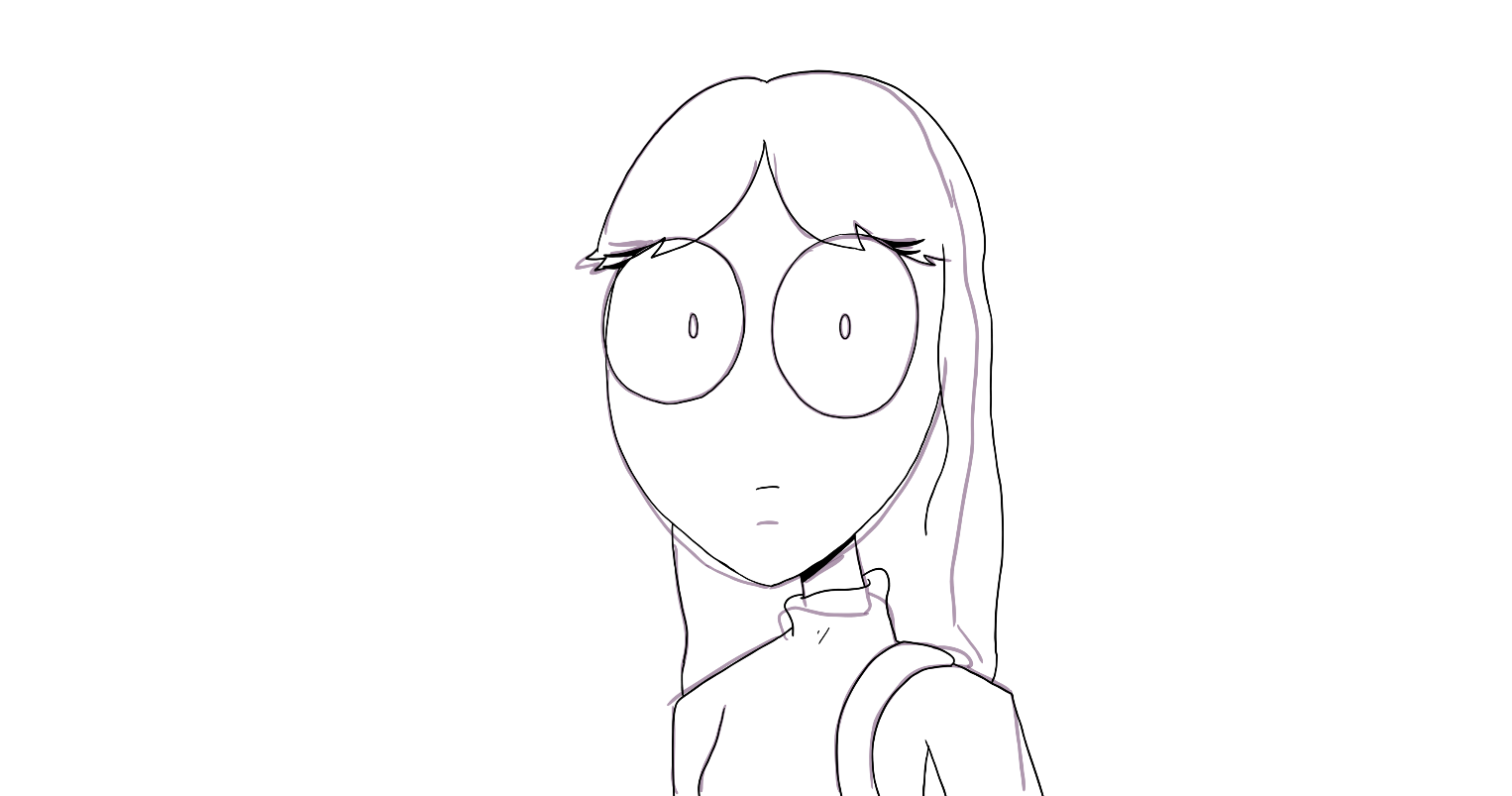
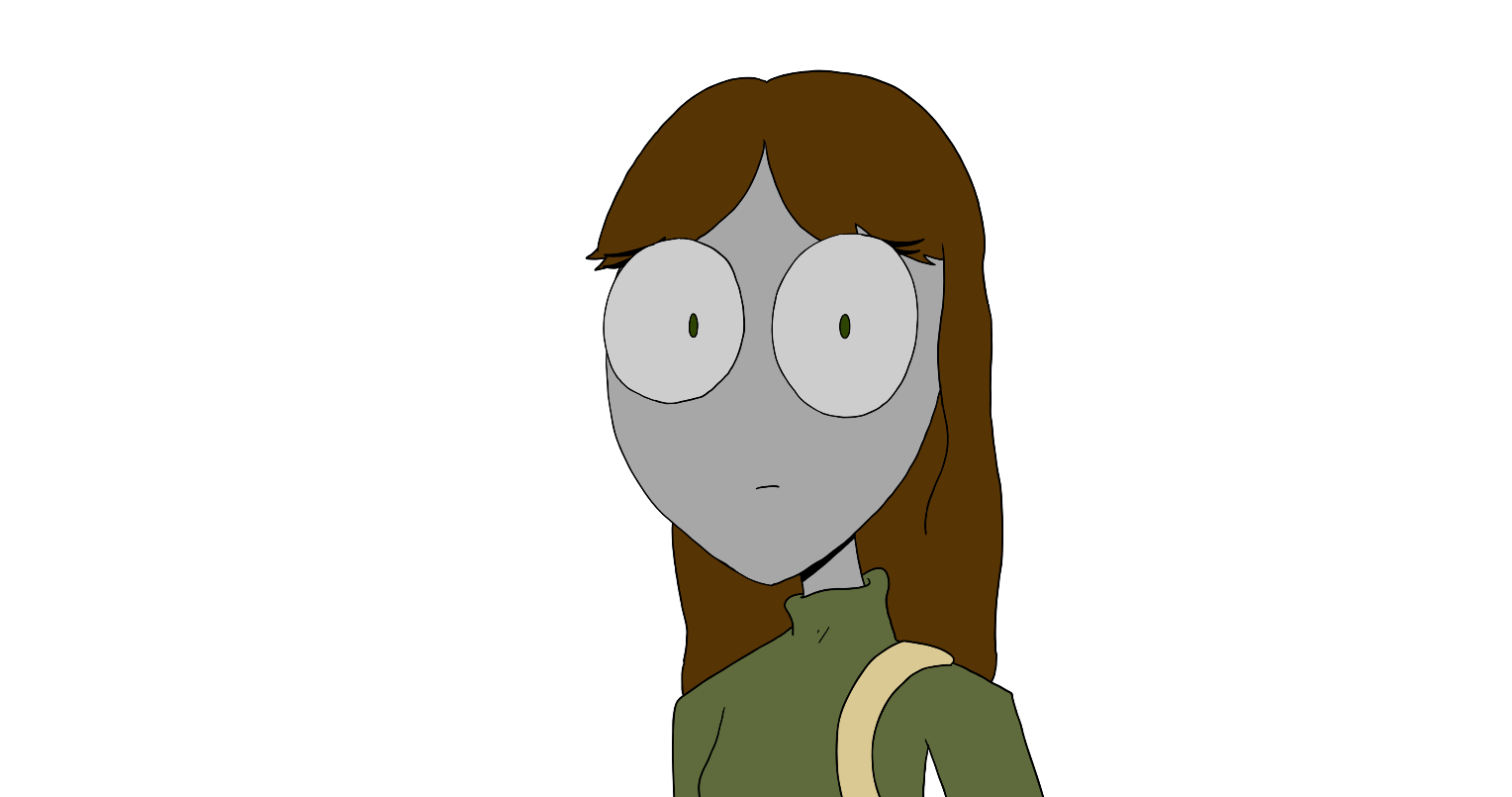
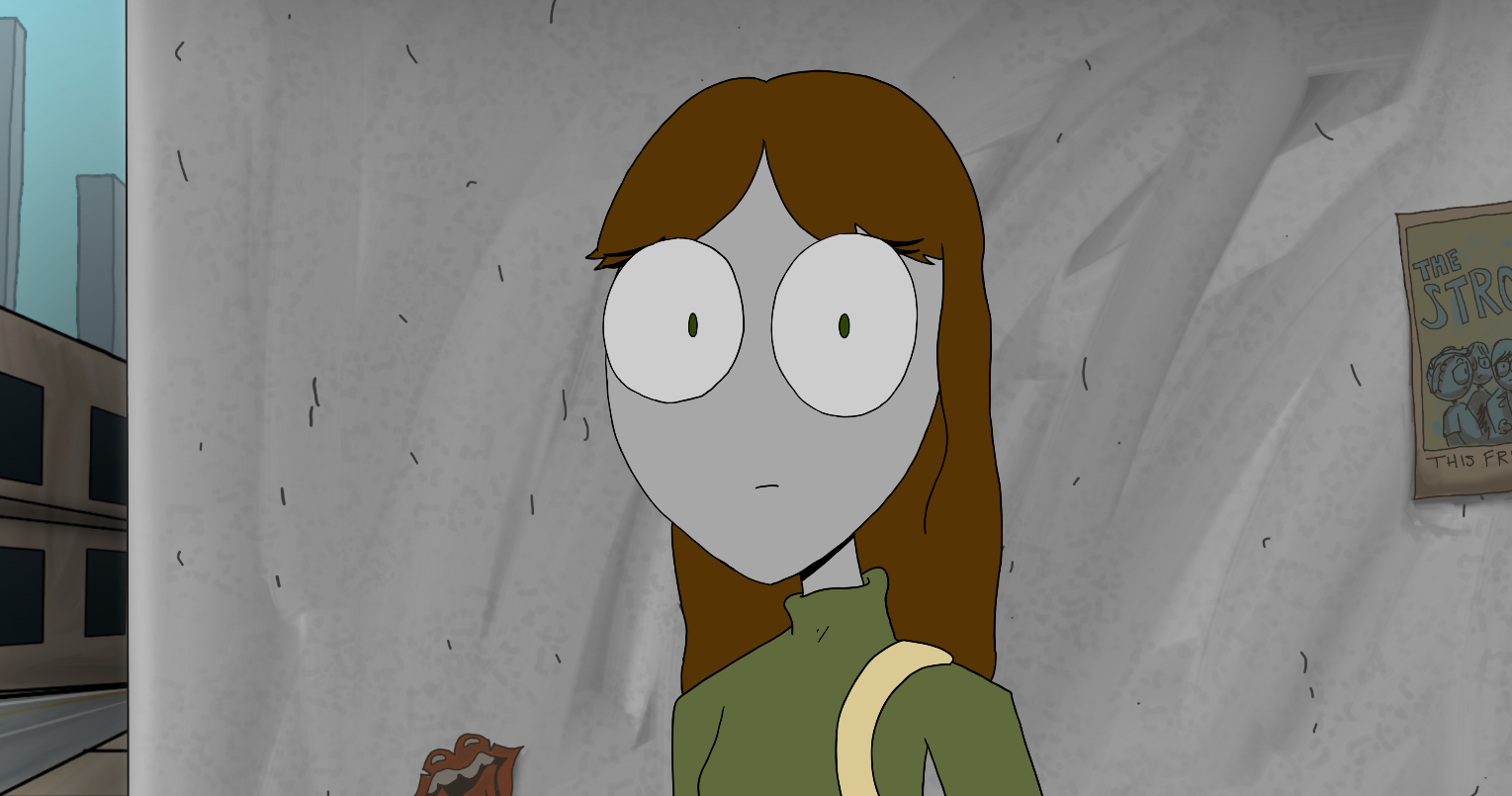
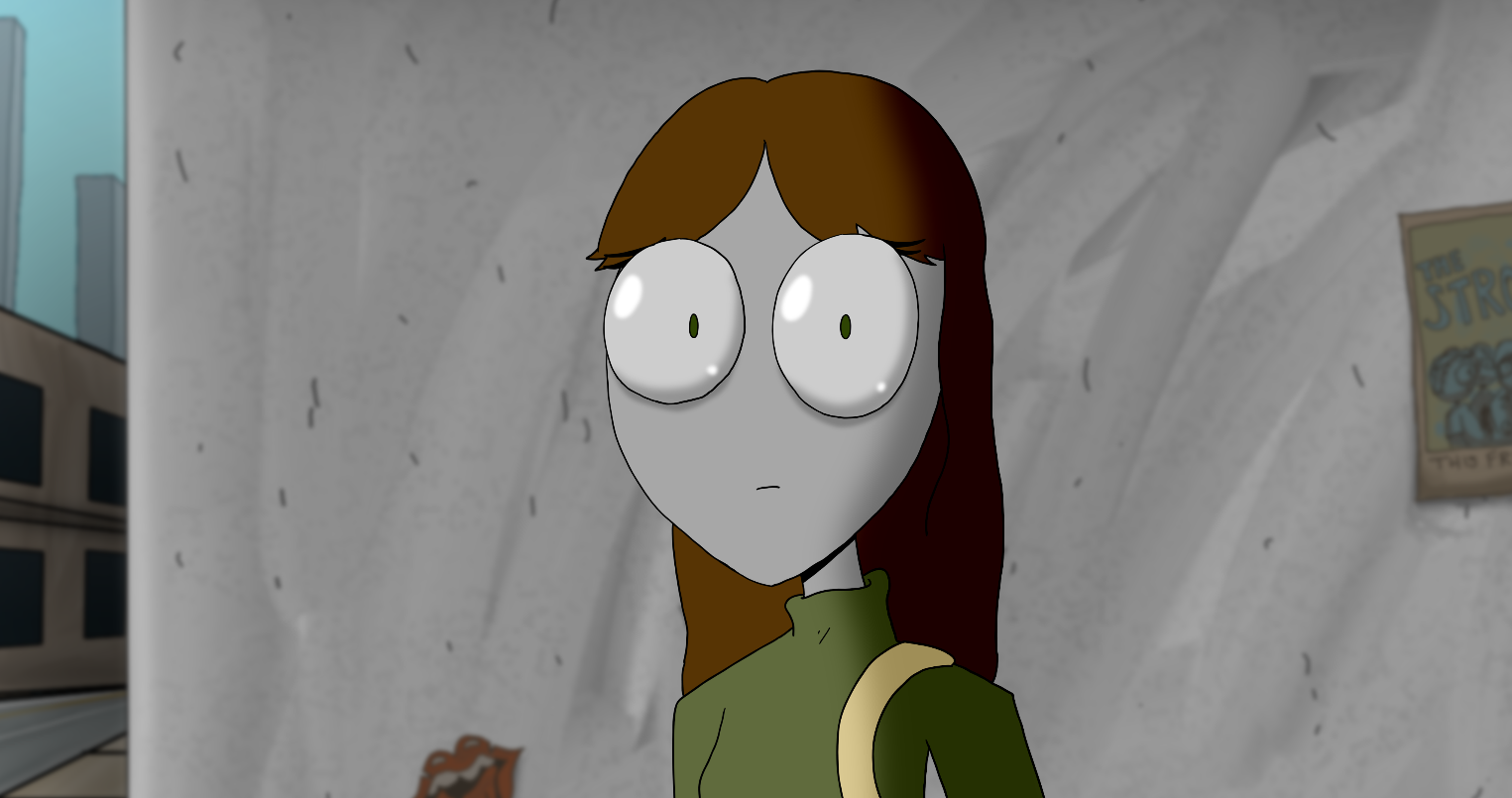
Our big emphasis for Strange Animals is traditional 2D animation. While we play with 3D integration, stop-motion, and real footage, the main focus is always hand-drawn characters. While character rigging is popular in today’s animation, it doesn’t match the visual goals we have for the film. With hand-drawn 2D animation, you get little imperfections that feel human—which is kind of the goal here. Rigging can also make characters feel either “clippy” or too smooth. While that’s not necessarily a bad thing, we prefer to have each movement and interaction be drawn. It takes more time, but it better matches the feel we are going for. 2D animation has also fallen out of favor for feature films, and we want to show that it is still a viable and powerful method of storytelling.
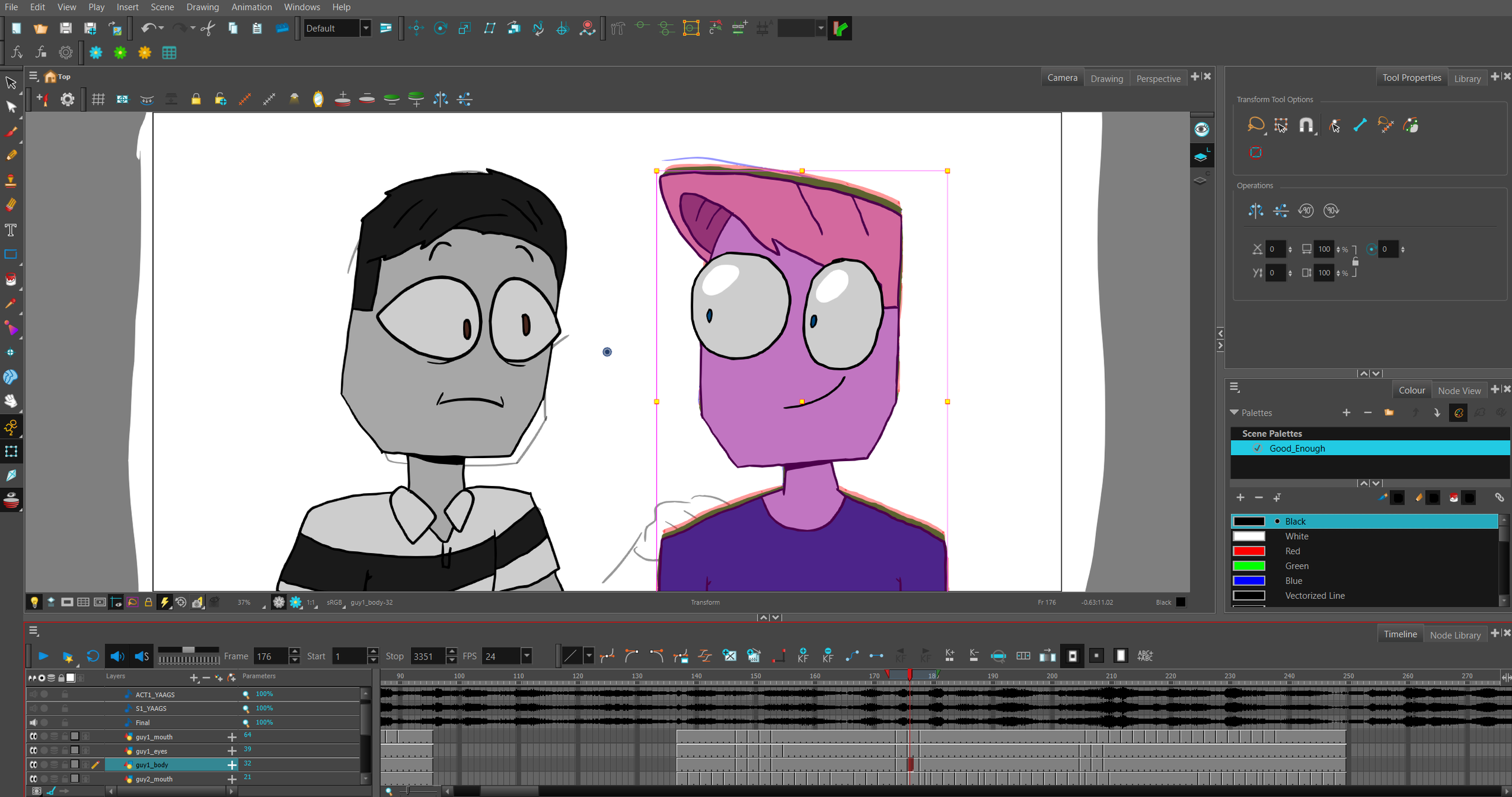
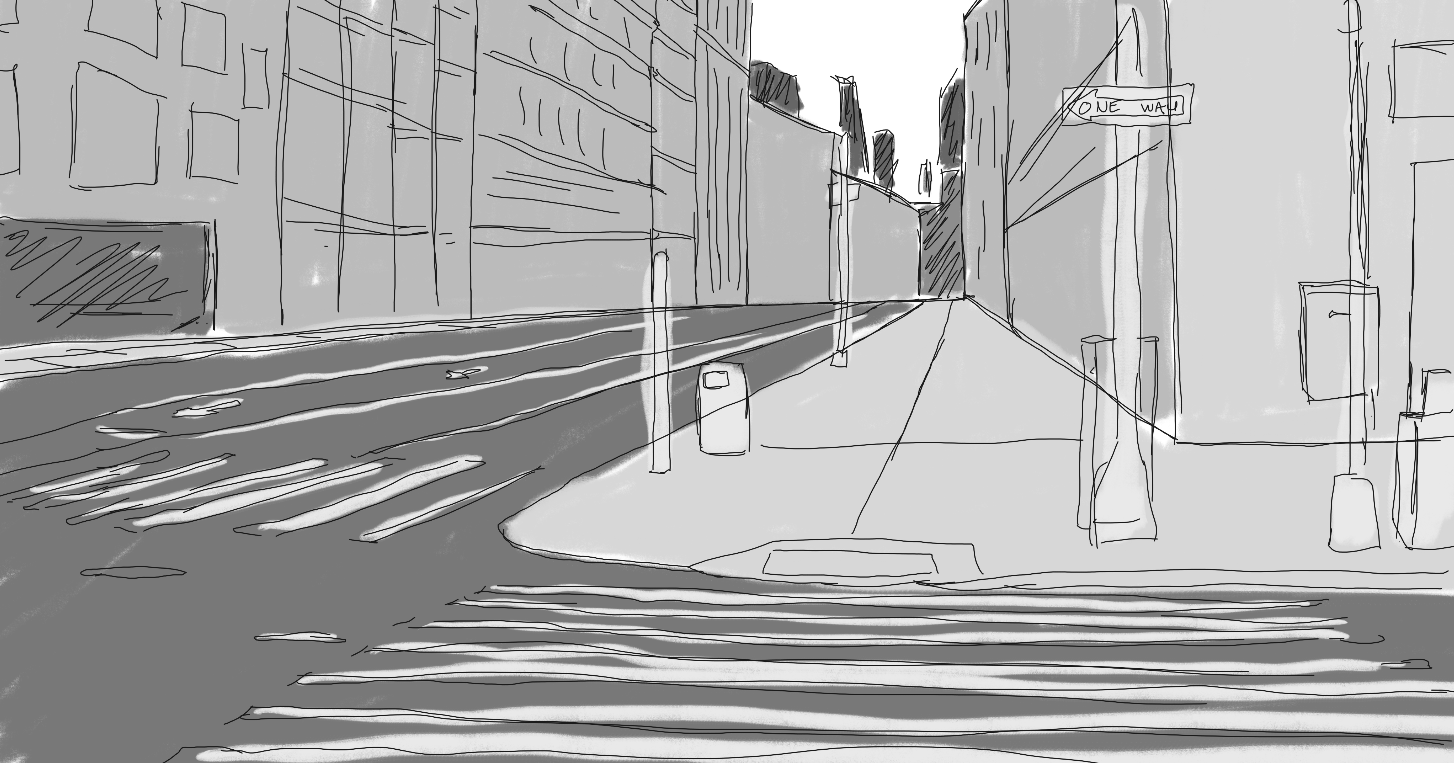
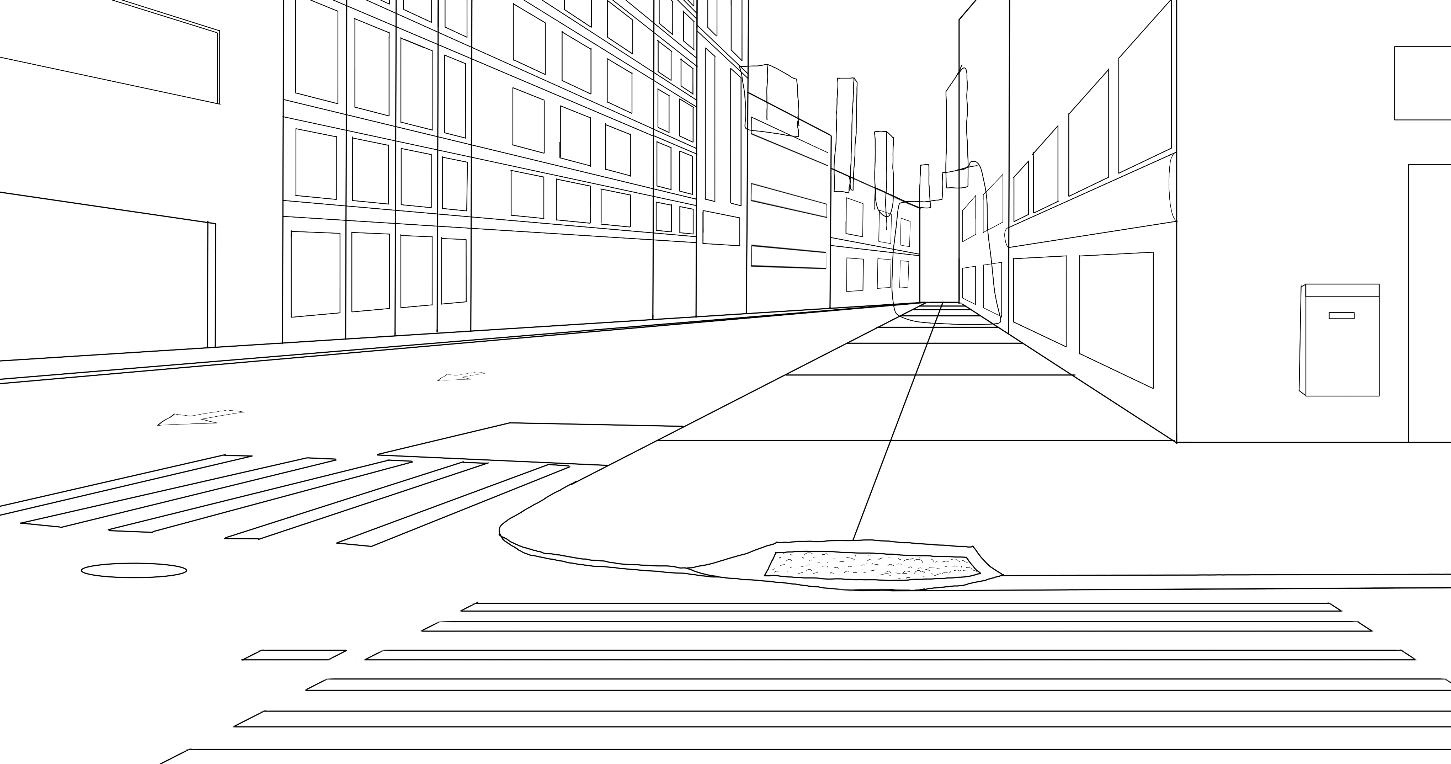
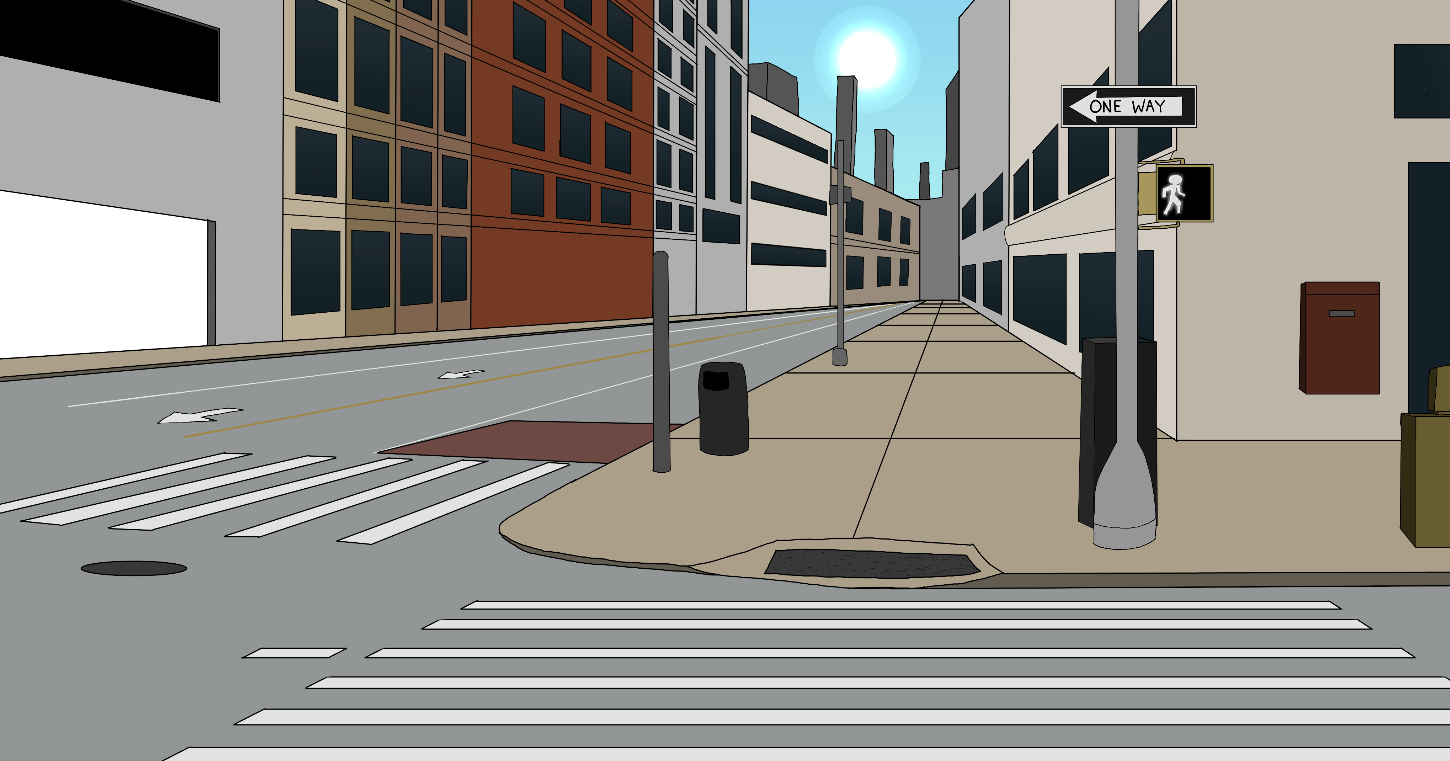
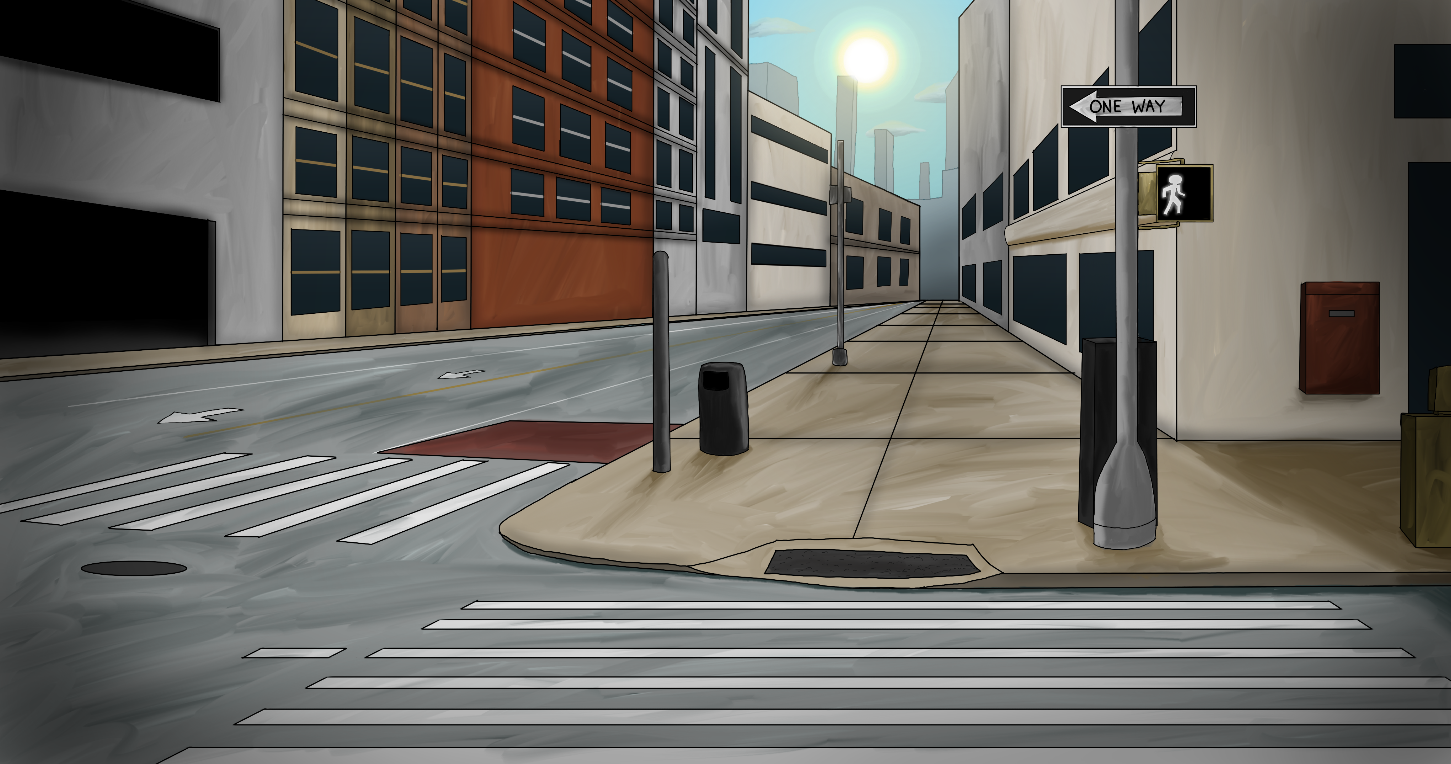
Animation backgrounds are equally as time consuming as the animation itself. Especially if the background is busy. We have used Autodesk Sketchbook for many backgrounds, and it generally follows the same process as the animation: draft, linework, color, shading. We are experimenting with different “flavors” of backgrounds for each short. For example, “We Were So Close” utilizes more watercolor for a softer look, leaning on color theory to tell the story rather than detailed environments. This reduces workload while also making the story feel alive.
Production Status:
Animation
1 of 9 complete
2 in progress
6 of 9 not started
Backgrounds
Backgrounds are still in concept phase, pending background artist assignment
For story specific statuses, please click the button below:
Who We’re Looking For:
Hand-drawn 2D animators
Toon Boom Harmony animators
Animation background artists
To be a part of the film, please click the button below:
Editing
Once final animation is rendered, it is imported into Davinci Resolve for the last step in the visual process. Ideally, we can use the animatic projects which already have audio timed out and replace the draft animation with the final animation without having to recreate the entire scene audio. Here’s also where we can import the finalized score, final sound effects, and licensed music. But audio integration is only part of the equation.
Davinci Resolve allows us to layer in final footage (like green screened objects or hybrid footage). Once we have everything where it needs to be, we can start adding various effects. Davinci Resolve has both audio and visual effects. While sound engineers are ideally working with recorded voice acting, editors are able to adjust audio right in the editing software. Using visual effects also helps create a feel or look we might not have been able to create in Toon Boom Harmony. For example, Davinci’s color grading is particularly helpful because we can play with color theory in editing rather than solidifying it in the final animation.
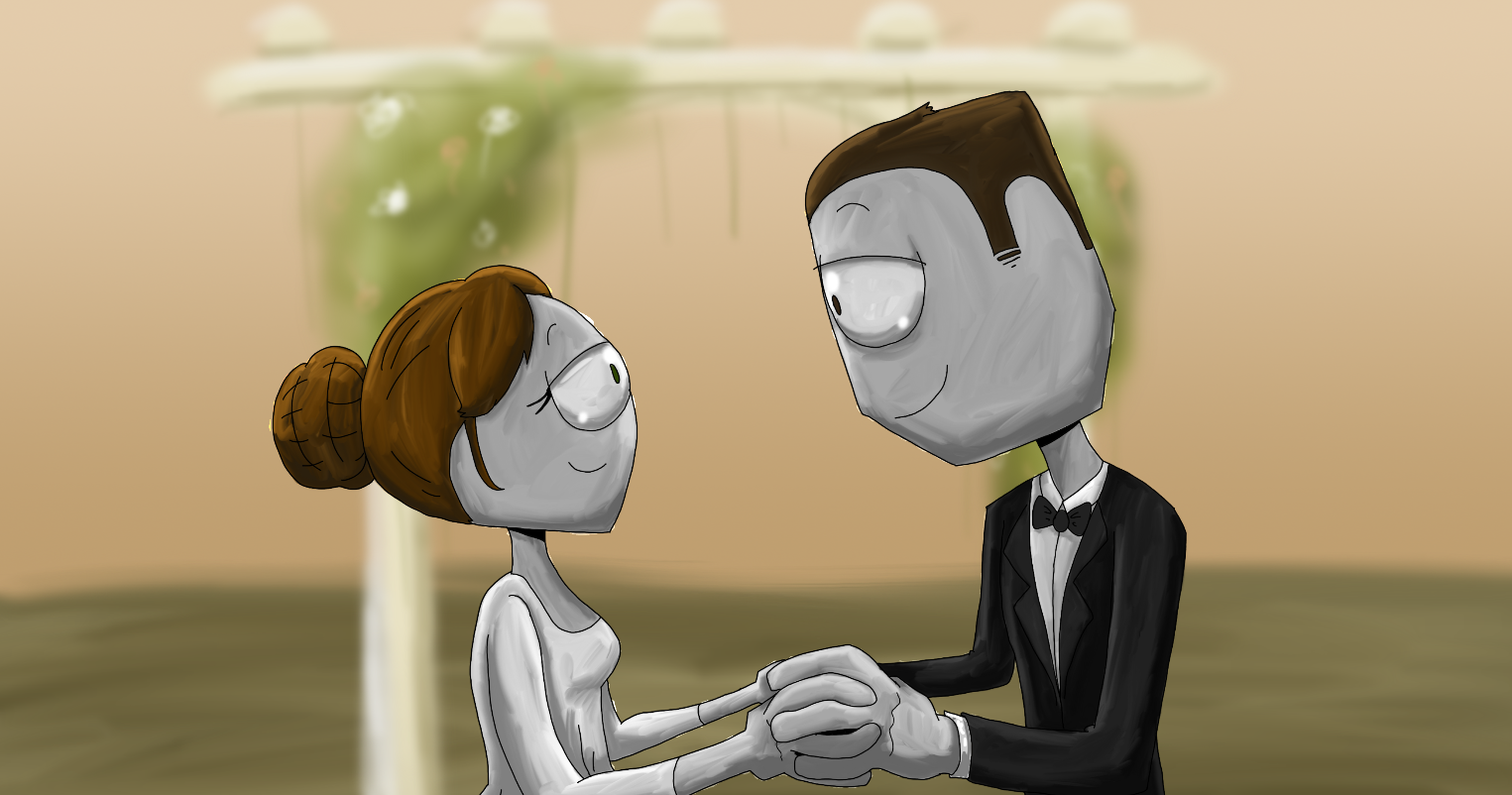
As each short finishes up in the editing process, it is exported out as a stand-alone video. As all the short films reach this stage, they are then imported back into the master Strange Animals project where small tweaks are made to ensure everything fits together. Here is where we can import music that spans two or more shorts. When the film is completely pieced together, it’ll be exported for film festival submission.
Production Status:
Editing
1 in progress
8 of 9 not started, pending final animation, music, sound effects, and editor assignment
For story specific statuses, please click the button below:
Who We’re Looking For:
Editors
Davinci Resolve Studio editors
VFX artists
To be a part of the film, please click the button below:
Music Licensing
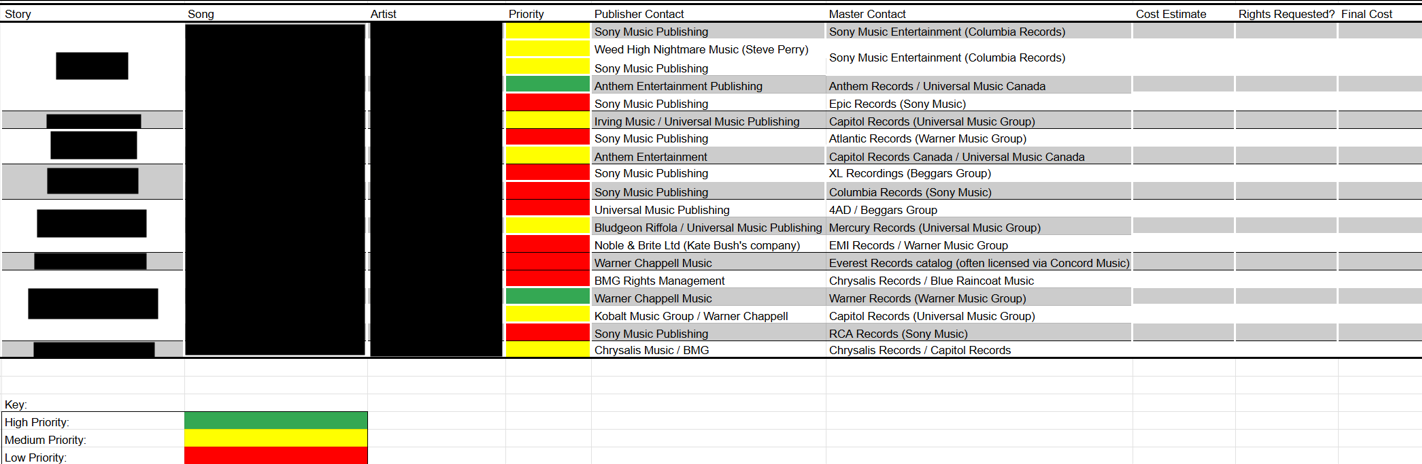
To put it bluntly, this will be the most expensive part of the entire production. Because Strange Animals is made by volunteers, we operate without any expectation of payment. The problem is: music licensors absolutely expect payment. Strange Animals does contain a number of licensed music tracks. For a film so heavily inspired by music, it has become an integral part of its DNA. The reassuring part is that most licensed music can be replaced with a cut score. But for the songs baked into the story, we will have a funding push if we need to. By the time we shift focus to music licensing, the film will be 99% complete, which helps to reinforce our commitment to releasing a finished movie. However, we expect a bottleneck here as music licensing negotiations can take a long time. It is possible we sit on a finished film simply waiting for licenses. We experienced this hold-up with our production preview.
Rest assured, we are aware of potential issues and have narrowed down our licensing list to high-priority songs. We will also be cognizant of when we start asking for quotes, so by the time the film is just about complete, we can return and begin locking down the licenses.
Production Status:
Music Licensing
1 in progress (Production Preview)
Pending completion of animatics
For story specific statuses, please click the button below:
Who We’re Looking For:
Music licensing agents
To be a part of the film, please click the button below:
If you’ve made it this far, you’ve already experienced something similar to how Strange Animals is structured.
Across these seven sections, you’ve followed multiple stages of production that, as a whole, tell the story of how Strange Animals comes together. That’s not an accident—it’s the same philosophy as the film’s anthology structure.
We haven’t revealed how each story connects into the larger film because it’s best experienced firsthand.
If you’re interested in getting a deeper look into our production or want updates before they’re released publicly, you can click the button below to support us on Patreon.